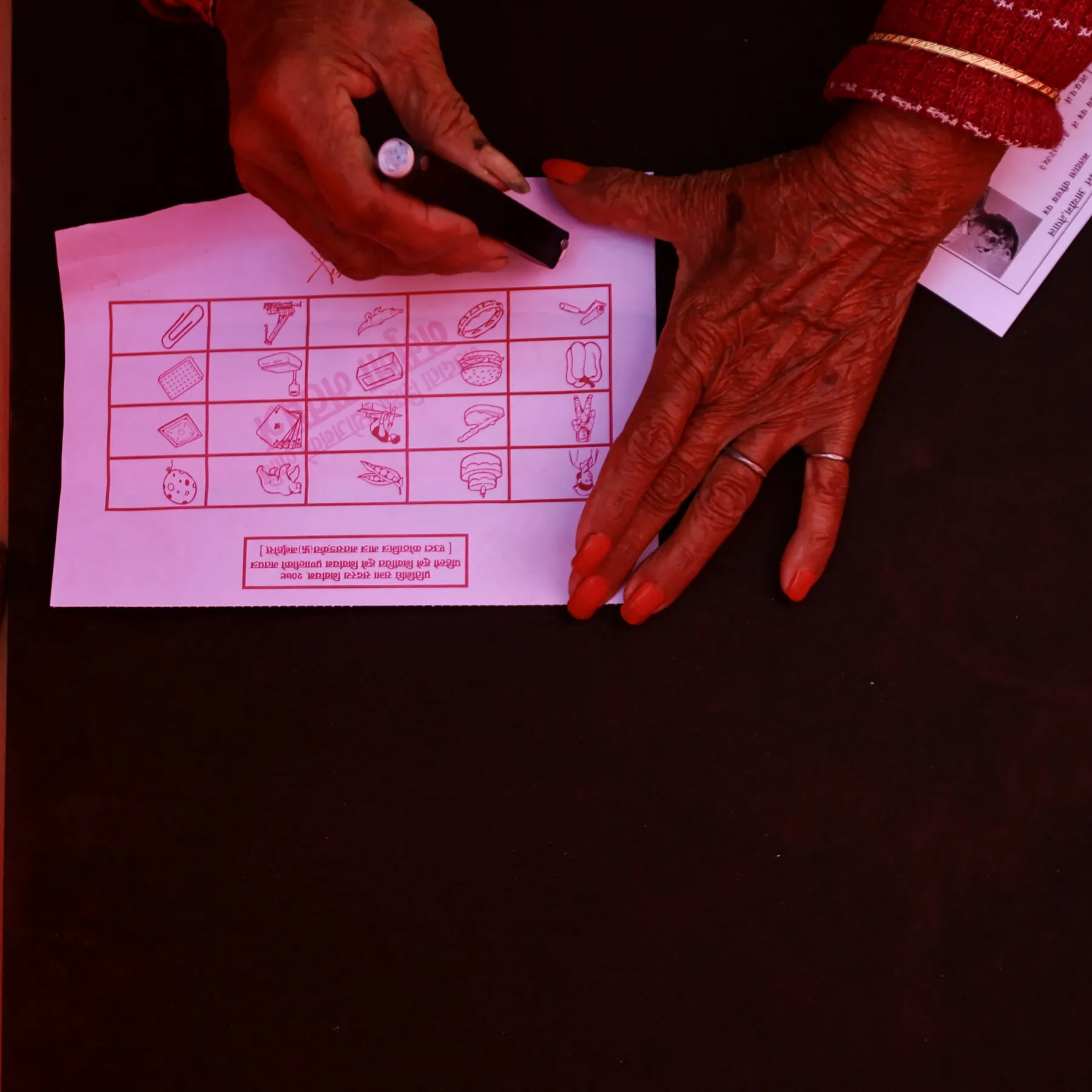
Nepal has just wrapped up its Federal Parliamentary Elections, and the atmosphere is electric. Whether you’re grabbing a coffee, lunch, or just water, or sitting in a high-rise boardroom, the air is thick with talk of coalitions, surprise mandates, and the shifting fortunes of the old guard versus the new.
In your office, your team is likely a microcosm of the country itself, a vibrant, often clashing mix of traditional loyalties and youthful desire for radical change. While talking politics can foster deep connections and intellectual growth, it can also turn a productive office into a “finger-pointing symphony” almost overnight. For leaders and employees, navigating these waters requires more than just tact; it requires a strategy that protects the psychological safety of the workspace while acknowledging the reality of the world outside.
The Dinner Party Rule in a Digital Age
Think of your workplace like a professional dinner party. At a dinner party, the goal is to enjoy the meal and the company. If a guest flips the table over a policy debate, the evening is ruined for everyone. In the office, the “meal” is your collective mission, your product launch, your quarterly targets, or your client satisfaction.
Political conversations are like adding a very spicy chili to that meal. Used sparingly and with the right ingredients, it adds flavor and depth. Used recklessly, it makes the entire experience painful.
The challenge in modern Nepal is that politics is no longer just about who sits in ministry cabinet; it’s about identity, values, and the future of the economy. For a 28-year-old developer, a change in leadership might represent a hope for better digital infrastructure. For a 40-year-old manager, it might spark fears of fiscal instability. When these two perspectives clash, it’s rarely just about the data; it’s about their lived experiences.
Real-World Friction: The “LinkedIn vs. Reality” Gap
We see this friction play out in real-time. Imagine a scenario where a team is celebrating a “reformist” victory on social media. A senior partner, who values the stability of traditional structures, feels sidelined. Suddenly, feedback on a project becomes sharper. Communication slows down. This isn’t because the work changed, but because the “social contract” of the office was violated by a lack of political neutrality.
Another example is the “Policy Pivot.” In many multinational branches in Nepal, shifts in government can lead to changes in labor laws or tax structures. When teams discuss these, they often get bogged down in blaming specific politicians rather than focusing on the “Actionable Solutions” for the business. The conversation shifts from “How do we adapt?” to “Whose fault is this?”, often leading to the toxic “finger-pointing symphony” that stalls progress.
Actionable Strategies for Managers and Teams
To navigate the post-election landscape without losing your top talent or your sanity, consider these approaches:
1. Establish the “Professional Third Space” The office should be a “Third Space”, neither a purely private home nor a public political rally. Encourage a culture where it’s okay to acknowledge the news (“It’s a historic day for Nepal”) without demanding that everyone share their “voter’s card” philosophy. If things get heated, use the Shutdown Ritual concept: “We have some strong views here, which is great, but let’s close this loop for now so we can focus on the client’s 2 PM deadline.”
2. Focus on “What,” Not “Who” Instead of debating who won, shift the conversation to what the impact is. As a manager, lead the team toward analyzing policy rather than personality. “How might the new parliamentary makeup affect the startup ecosystem?” is a productive, intellectual question. “Can you believe X party won?” is a divisive, emotional one.
3. The “Mastery Experience” Shield As we learned from the Exhaustion Paradox, throwing yourself into a demanding, different role is the best way to manage stress. If election talk is causing anxiety or friction, lean into a “Mastery Experience” at work. Launch a “Sprints over Politics” week where the team focuses on a high-intensity technical goal. This provides the psychological detachment needed to move past political fatigue.
4. Radical Neutrality in Leadership If you are a founder or a manager, your political leanings are a private matter. In a country as politically diverse as Nepal, a leader who wears their party on their sleeve risks alienating 50% of their workforce. Practice “Radical Neutrality”, not by being an ostrich, but by being the “referee” who ensures all voices are respected but none are dominant.
The Bottom Line: We All Move the Same Ship
In the end, whether your candidate won or lost, the “dreck” only floats to the top when we let political divisions replace professional excellence. The elections are a moment in time; your career and your company’s growth are a long-term journey.
Nepal’s strength has always been its resilience and its ability to find a “middle path.” In the workplace, that middle path is built on the understanding that your colleague’s value isn’t defined by their vote, but by their contribution to the team. By maintaining clear boundaries and focusing on shared goals, you ensure that the office remains a place of progress, regardless of the noise coming from the streets of Kathmandu.
Leave a Reply