There is a question I have started to find more interesting than “Does your organization encourage people to speak up?”
The better question is: “What happens when someone actually does?”
Most organizations will say that they want employees to speak freely. Leaders talk about open communication, encourage people to share ideas, and sometimes even announce, “My door is always open.” But openness is not created simply because a leader says people are welcome to speak. It is created by what happens after someone speaks.
Imagine a team meeting where the manager presents a new plan. Everyone nods. The room is quiet. The manager asks, “Any concerns?” Nobody says anything. The meeting ends, and five minutes later, someone tells a colleague, “This is going to create a huge problem.” Another person agrees. A third says, “I thought so too, but there was no point saying it.”
The organization may interpret the meeting as alignment. It may actually have been silence. This is where psychological safety becomes important.
It Is More Than Being Able to Speak
Amy Edmondson, whose work has shaped much of what we understand about psychological safety, defines it as a shared belief that a team is safe for interpersonal risk-taking. In her study of 51 work teams, psychological safety was associated with learning behavior, which in turn was associated with team performance.
The phrase interpersonal risk-taking is important. Speaking up is a risk. Admitting that you made a mistake is a risk. Saying “I don’t understand” is a risk. Asking a question that everyone else seems to know the answer to is a risk. Telling your manager that their idea may not work is a risk. Saying “I think we are looking at this problem incorrectly” is certainly a risk.
The question is not whether there is risk. There always will be. The question is whether the team makes that risk unnecessarily costly.
Psychological safety therefore does not mean that everyone gets to say whatever they want without challenge. It does not mean avoiding accountability, criticism or difficult conversations. It certainly does not mean creating a workplace where everyone must feel comfortable all the time. A psychologically safe team can disagree strongly. The difference is that disagreement does not threaten a person’s dignity, belonging or standing in the team.
The Meeting After the Meeting
One of the easiest ways to understand psychological safety is to pay attention to what happens after the meeting. If people openly disagree during the meeting and then leave with a shared understanding of the decision, you probably have a healthy level of psychological safety. But if everyone agrees in the meeting and then spends the next thirty minutes criticizing the decision privately, something else is happening.
This is what makes psychological safety so important for organizational culture. The absence of psychological safety doesn’t necessarily create obvious conflict. Sometimes, it creates the opposite – too little conflict.
People stop challenging one another. They stop asking questions. They become careful about how they phrase things. They learn which subjects are safe and which ones are better discussed privately. Eventually, the team becomes very pleasant, and not particularly honest.
This can be especially dangerous for leaders because silence is very easy to misinterpret. A room full of quiet people can look like agreement. But silence can mean agreement, confusion, indifference, resignation, or fear. Without psychological safety, leaders may have a difficult time knowing which one they are looking at.
When People Learn to Hide Mistakes
Consider what happens when someone makes a mistake.
In one team, an employee realizes that they have sent the wrong information to a client. They immediately tell their manager. The manager is understandably concerned, but the first response is, “Okay. Let’s see what happened and how we fix it.” The team corrects the mistake. Later, they discuss what caused it and change the process so that it is less likely to happen again.
In another team, the same mistake happens. The employee spends the next two hours trying to fix it quietly. They don’t want the manager to know. When the problem eventually surfaces, the manager asks, “Why didn’t you tell me earlier?” It is a reasonable question. But the more important question is: What has this team taught people about admitting mistakes?
If mistakes are routinely met with blame, embarrassment or disproportionate punishment, employees become very good at hiding them. And an organization that hides mistakes has a much harder time learning from them.
This is one reason Edmondson’s research is so important. Her study did not simply associate psychological safety with people feeling good. It connected psychological safety with learning behavior and, through learning, team performance. A team cannot learn from information that people are afraid to share.
Psychological Safety Is Tested by Bad News
Good news rarely tests a culture. Bad news does.
When everything is going well, almost any manager can appear approachable. The real test comes when someone walks into the room and says, “We have a problem.” How does the manager react? Do they immediately ask who is responsible? Do they become defensive? Do they shoot down the information because it conflicts with what they already believe? Or do they become curious?
“Tell me what you’re seeing.” That one response can make a remarkable difference.
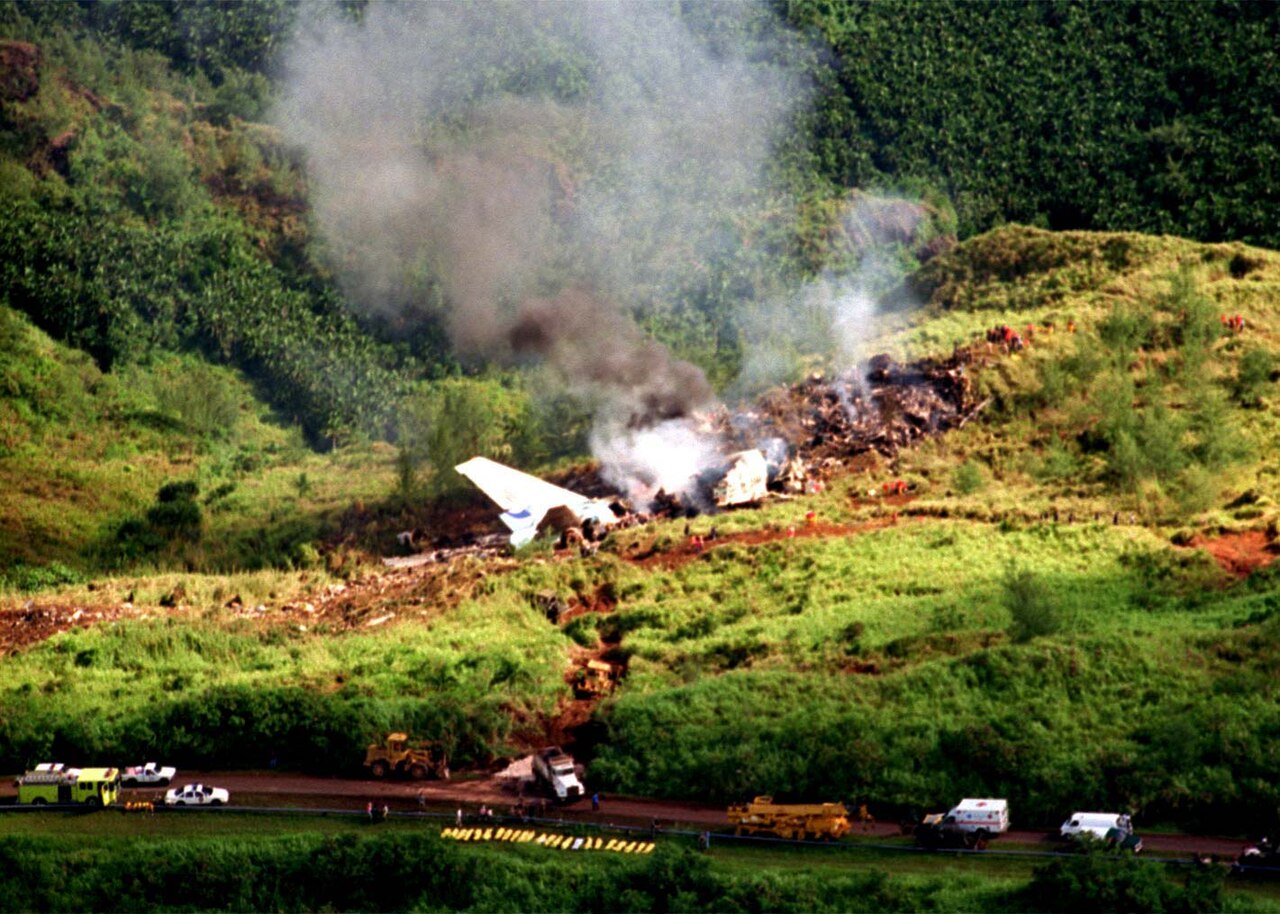
The National Transportation Safety Board’s investigation into Boeing’s 737 MAX 9 door-plug accident offers a sobering real-world example of why this matters beyond ordinary office disagreements. In its investigation, the NTSB noted that fear of reprisal is one of the common reasons employees may not speak up and that perceived punishment can create a climate of fear, hinder teamwork and reduce productivity. The investigation also highlighted concerns about whether Boeing’s safety-reporting systems would ensure open communication and non-retaliation. This is an extreme example, of course. Most workplaces are not dealing with aviation safety. But the underlying principle is the same.
When important information has a personal cost attached to sharing it, people become less likely to share it.
And sometimes, the information that doesn’t get shared is exactly what the organization needs to hear.
The Cost of Fake Agreement
There is another consequence that receives less attention: decision-making becomes slower. That might sound contradictory. Wouldn’t a team where everyone agrees make decisions faster? Sometimes. But when people don’t feel safe enough to challenge decisions, problems often surface later.
A team makes a decision without considering an important perspective. Someone notices the problem but doesn’t raise it. The decision moves forward. A few weeks later, the issue becomes impossible to ignore. The team now has to revisit the decision, fix the consequences and figure out what went wrong. What looked like a fast decision was simply a delayed disagreement.
Psychological safety can therefore make teams appear slower in the moment because people ask more questions, challenge assumptions and surface concerns. But that kind of friction can prevent much more expensive friction later. The goal is not to eliminate disagreement. It is to move disagreement to the point where it is still useful.
What Leaders Actually Need to Do
The good news is that psychological safety does not require an elaborate organizational initiative.
It begins with everyday leadership behavior. A manager who asks, “What are we missing?” sends a different signal from one who asks, “Does everyone agree?” The first question assumes that disagreement may contain useful information. The second can unintentionally invite a simple yes or no.
Similarly, when someone challenges an idea, a leader doesn’t have to accept the challenge. They can disagree while still respecting the person who raised it.“I don’t agree with your conclusion, but I want to understand how you got there.” That is psychological safety in action.
So is a leader saying, “I got that wrong.” In fact, admitting your own mistakes may be one of the simplest ways to change the behavior of a team. When the person with the most authority demonstrates that being wrong does not threaten their position, others receive permission to be imperfect too.
And there is another small habit worth developing: thank people for raising difficult issues, even when the issue itself is inconvenient. You don’t have to thank someone for making a mistake. But you can thank them for bringing the mistake to your attention. That distinction matters.
The Culture You Create When Nobody Is Watching
Psychological safety is not built during an annual culture workshop.
It is built in the seconds after someone disagrees with you. It is built when a junior employee asks a question that seems obvious to everyone else. It is built when someone says, “I don’t know.” It is built when a team member brings bad news before it becomes a crisis. It is built when someone says, “I think we are wrong.”
And perhaps most importantly, it is built when the leader has every reason to shut the conversation down, but chooses curiosity instead.
Organizations often spend enormous amounts of time trying to make employees speak. Perhaps the more important task is to make it safe for them to speak honestly. Because a team that is allowed to speak will give you opinions. A team that feels safe to speak will give you information. And information, especially the information that is uncomfortable, inconvenient or unexpected, is where learning begins.
So perhaps the question we should ask our teams is not: “Do you feel free to speak?” It is: “What happens here when you say something I don’t want to hear?”
The answer to that question will tell you much more about your psychological safety than any employee engagement survey ever could.