Tag: culture

  • When Team Bonding Crosses the Line

    When Team Bonding Crosses the Line

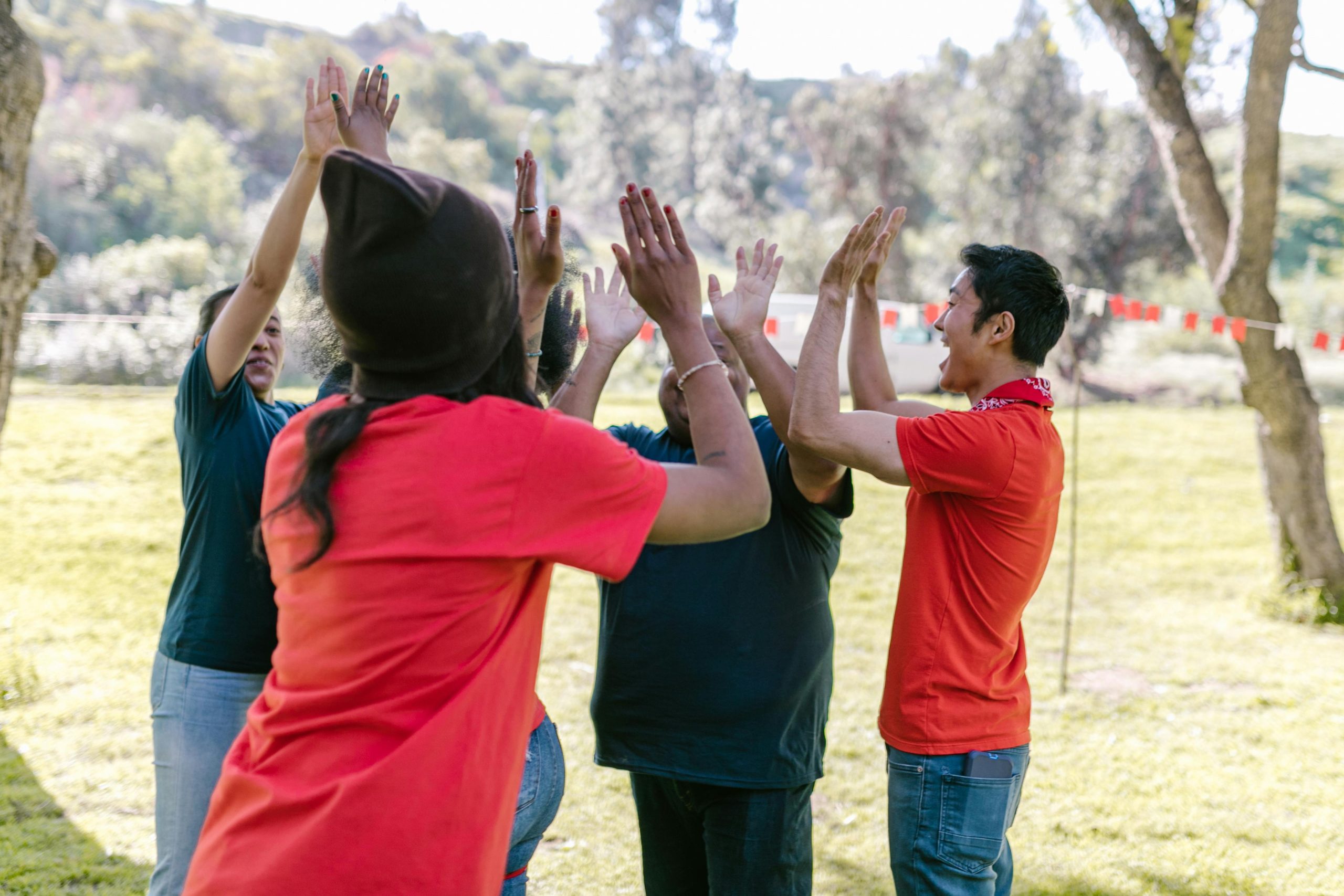
    Team bonding is back in a big way. Especially in a world shaped by remote and hybrid work. Companies are flying teams to offsites. Booking escape rooms. Going back to trust falls. Planning scavenger hunts. Hosting themed dinners and karaoke nights.

    The intention is usually good. Leaders want connection. They want culture. They want employees to feel like they belong.

    But here’s the uncomfortable truth: connection cannot be scheduled into existence.

    In recent years, stories have surfaced about corporate retreats that left employees anxious rather than inspired. One widely discussed case reported by the BBC described a young employee who attended a retreat where informal brainstorming with senior leadership felt less like collaboration and more like quiet evaluation. His boss wore shorts and held a glass of wine. The hierarchy, however, had not disappeared. It had simply dressed down.

    At the same time, critics pointed to companies like WeWork, where extravagant events were seen as a distraction from deeper issues such as unrealistic workloads and cultural instability. The disconnect created frustration instead of unity.

    The pattern is clear. When bonding becomes performative, mandatory, or disconnected from reality, it can backfire.

    The Illusion of Informality

    A change in setting does not erase structure. A retreat in a luxury five-star or a cozy nature night out may look relaxed, but power dynamics travel with people.

    When junior employees are asked to casually “throw ideas around” with executives, they are still aware of being judged. When alcohol is introduced, the lines blur even further. What feels friendly and open to leadership can feel risky to someone earlier in their career.

    This is where many retreats cross the line. Not because they are fun. But because they pretend hierarchy does not exist.

    Informality without psychological safety does not create openness. It creates tension. Employees may smile and participate, but internally they are cautious. Watching what they say. Measuring their tone. Calculating risk.

    One-Size-Fits-All Bonding Doesn’t Work

    Not everyone bonds the same way. Some people genuinely enjoy high-energy group activities. Others find them draining.

    An introvert in an escape room may not be bonding. They may be counting the minutes. A working parent at a mandatory evening karaoke event may not be relaxed. They may be thinking about childcare or the commute home.

    When participation is required, autonomy disappears. And autonomy, the feeling of having choice, is a basic human need. Remove that choice, and even the most creative activity starts to feel like an obligation.

    This is often where resentment begins. Not because the activity itself is terrible. But because people feel they had no say.

    Activities Can’t Fix Broken Culture

    No amount of scavenger hunts can repair mistrust. No weekend getaway can compensate for chronic burnout.

    If employees feel unheard during normal workdays, they will not suddenly feel valued during a trust fall exercise. If workloads are unrealistic, a bowling night will not solve it.

    This is why bonding initiatives sometimes feel like a band-aid. Employees see the gap between the fun event and their everyday frustrations. And that gap weakens credibility.

    Lavish experiences may create great photos for social media. But culture is built in daily interactions, not curated moments.

    When Boundaries Get Blurred

    Overnight retreats, shared accommodation, and alcohol-heavy evenings can make professional relationships uncomfortably personal.

    Some employees enjoy that closeness. Others feel exposed. The issue is not proximity. It is consent and clarity.

    When employees are surprised by room-sharing arrangements or feel pressured to socialize late into the night, the experience shifts from bonding to intrusion. Personal time matters. Family responsibilities matter. Energy levels matter.

    Inclusion is not just about inviting everyone. It is about designing experiences that respect diverse realities.

    Why Connection Still Matters

    None of this means team bonding is pointless.

    Human connection matters more than ever. In remote-first companies, colleagues can go months seeing only profile pictures and Slack messages. Isolation is real. So is loneliness at work.

    A sense of belonging improves retention, collaboration, and creativity. Teams that trust each other communicate more openly. They recover from setbacks faster. They innovate more confidently.

    But here’s the key: connection is a byproduct of trust. And trust is built slowly.

    What Actually Works

    The most effective bonding efforts are often simple.

    Instead of elaborate retreats, some companies organize short “coffee roulette” sessions. Two employees are randomly paired for a 15-minute virtual chat. It is low-pressure. It fits into work hours. It encourages real conversation without forcing vulnerability.

    Optional team lunches during the week often work better than weekend getaways. Volunteer days tied to causes employees genuinely care about create shared purpose. Hackathons focused on solving internal challenges combine collaboration with meaningful output.

    Optionality changes everything. When employees can choose to attend, those who participate show up willingly. Energy shifts. The dynamic feels lighter.

    Leaders sometimes fear that making events optional will reduce turnout. But that fear raises an important question: if people wouldn’t attend voluntarily, why are we forcing it?

    Design for Respect, Not Spectacle

    If you are planning a retreat or bonding initiative, start by asking one question: what problem are we trying to solve?

    If the issue is disconnection, examine communication rhythms first. If collaboration is weak, review workflows. If morale is low, look at workload and recognition systems.

    Then design experiences that support real solutions.

    Keep events within working hours when possible. Be transparent about expectations. Avoid surprise arrangements. Limit alcohol. Provide clear agendas. Offer space to opt out without consequences.

    And most importantly, address cultural foundations first.

    Psychological safety, which simply means people feel safe speaking up without fear, cannot be installed during a weekend retreat. It must be modeled daily by leadership behavior.

    Bonding Is an Environment, Not an Event

    The strongest teams do not bond because they survived a scavenger hunt together. They bond because they trust each other. Because they solve real problems together. Because they feel respected as professionals and as people.

    Connection cannot be manufactured. It can only be cultivated.

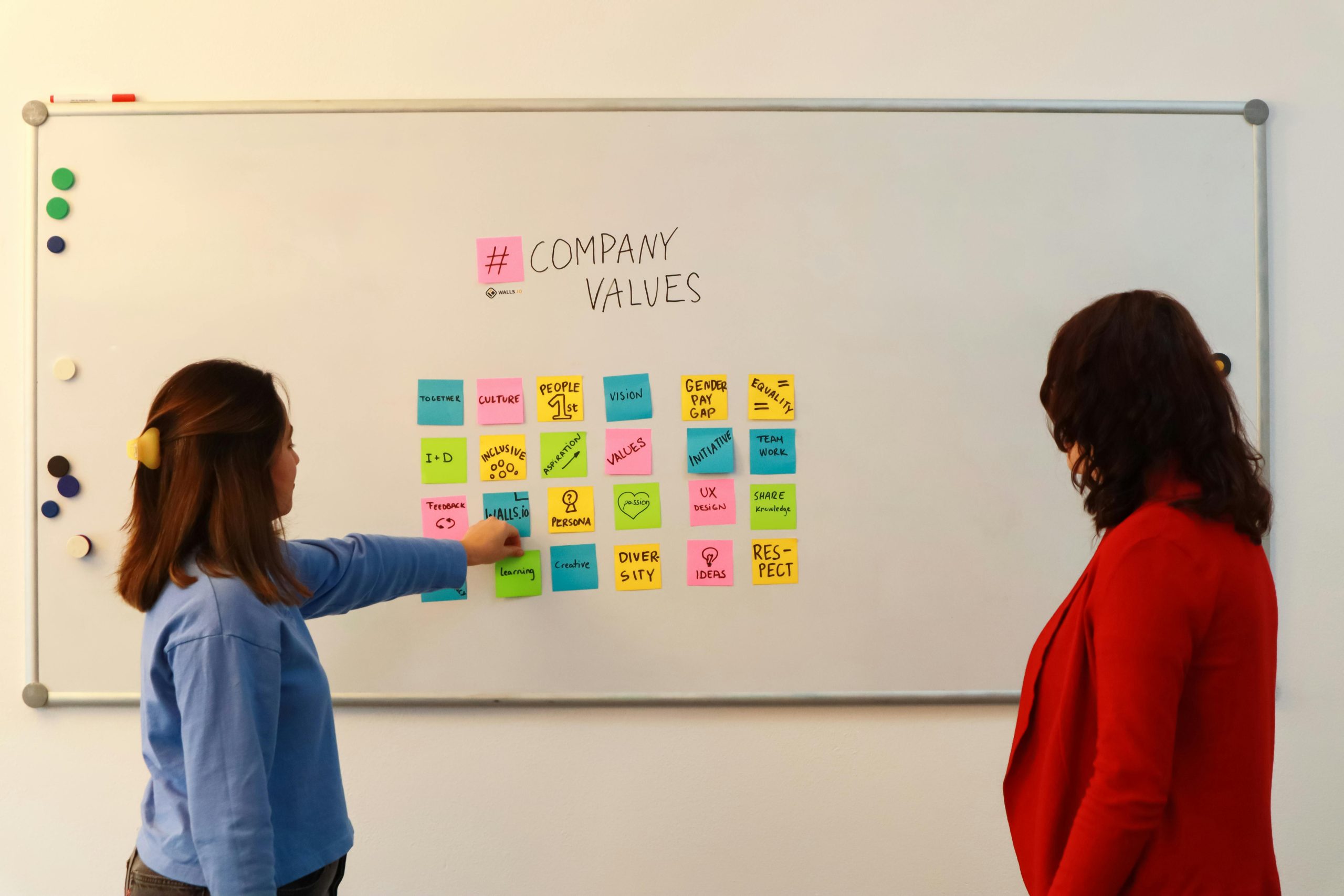
    Cultivation takes consistency. It takes listening. It takes leaders who align their actions with company values, not just during special events, but on ordinary Tuesdays.

    So before booking the ranch or planning the next team game, pause. Ask your team what they need. Make participation optional. Design with inclusion in mind. Fix what is broken beneath the surface.

    Because when culture is strong, bonding feels natural. And when culture is weak, no amount of forced fun will save it.

  • Rethinking Team Building: Forced Fun Fails!

    Rethinking Team Building: Forced Fun Fails!

    Picture this: It’s Friday afternoon, and your manager (Hello, HR/P&C) has organized a mandatory team-building activity – a scavenger hunt. Some team members are excited, but others feel awkward or even annoyed. As the event unfolds, a few enthusiastic participants dominate the activity, while others go through the motions, counting down the minutes until it’s over. Monday rolls around, and the camaraderie expected from the activity is nowhere to be found.

    Sound familiar? This is the reality of forced fun – activities meant to foster team bonding that often miss the mark. While the intention is good, the execution can sometimes backfire, leaving employees disengaged or even resentful.

    Why Forced Fun Doesn’t Always Work

    1. It Ignores Individual Preferences: Not everyone bonds the same way. Some employees thrive in social settings, while others find them uncomfortable or draining. Forcing participation in activities that don’t align with personal preferences can make people feel out of place. In a tech company, the leadership organizes an escape room activity. While the extroverted team members enjoy the challenge, introverted employees feel overwhelmed and disengaged, seeing the activity as more stressful than fun.

    2. It Feels Inauthentic: Team-building activities can feel like a chore if they lack genuine connection to the team’s dynamics. Employees can sense when an event is a “tick-the-box” exercise rather than a meaningful effort to foster relationships. Imagine a marketing team is required to attend a weekend retreat filled with trust falls and icebreakers. Instead of bonding, the team jokes about the forced nature of the event, undermining its purpose.

    3. It Overlooks Workplace Realities: No amount of team-building activities can mask underlying workplace issues like poor communication, lack of trust, or unresolved conflicts. Forced fun often feels like a band-aid on deeper cultural problems. At WeWork, employees criticized leadership for hosting extravagant events while ignoring pressing workplace concerns like excessive workloads and unrealistic expectations. The disconnect created frustration rather than unity.

    4. It May Feel Intrusive: For some employees, their personal time is sacred. Activities scheduled outside of work hours can feel like an intrusion, especially for those with family obligations or long commutes. A financial firm hosts a mandatory dinner and karaoke night on a weekday evening. Employees with young children or other commitments attend reluctantly, feeling stressed rather than relaxed.

    The Hidden Costs of Forced Fun

    1. Employee Disengagement: When employees feel coerced into participating, it can lead to resentment rather than connection.
    2. Damaged Trust: Activities that feel inauthentic or poorly planned can erode trust in leadership.
    3. Wasted Resources: Time and money spent on activities that don’t resonate with employees yield little to no return on investment.

    What Actually Works for Team Bonding?

    1. Focus on Authentic Connection

    Instead of organizing elaborate events, create opportunities for employees to connect naturally. This could be as simple as team lunches or casual check-ins. Let’s look at a startup organizes “Coffee Roulette,” where employees are randomly paired for 15-minute virtual coffee chats. The simplicity and low-pressure nature of the activity encourage genuine conversations.

    2. Make It Optional

    Mandatory participation often leads to resentment. Give employees the choice to opt in, making it clear that attendance is encouraged but not required. How about an IT firm that offers an after-work trivia night for employees who want to unwind, with no pressure for everyone to attend? Wonder how would that feel!

    3. Align Activities with Team Interests

    Get input from your team about what they’d enjoy. Activities that reflect shared interests or goals are more likely to be successful. If you’re on a healthcare team, try collaborating on a community service project, combining team bonding with a shared sense of purpose.

    4. Address Underlying Cultural Issues

    If trust or communication is lacking, no activity will fix it. Focus on building a culture of transparency and respect first. Say, a retail company that prioritizes open forums where employees can voice concerns without judgment, creating a foundation of trust before planning bonding activities.

    Final Thoughts: Beyond Forced Fun

    Team bonding isn’t about extravagant outings or high-energy games – it’s about creating a culture where employees feel genuinely connected and supported. While well-intentioned, forced fun can often miss the mark if it doesn’t consider individual preferences, team dynamics, or workplace realities.

    The key to successful team bonding is authenticity. Focus on activities that foster real connection and address deeper cultural issues. Because when employees feel truly valued and respected, the bonds will form naturally – no scavenger hunt required.

  • Rituals at Work: The Hidden Glue of Great Cultures

    Rituals at Work: The Hidden Glue of Great Cultures

    Think back to your favorite workplace memory. Chances are, it wasn’t about a meeting or a deadline, it was about a shared moment. Maybe it was a Friday afternoon coffee chat, an annual team retreat, or simply a quirky inside joke that bonded your team. These moments aren’t just fun; they’re rituals.

    Workplace rituals are more than just routines, they’re shared practices that unite teams, reinforce values, and give employees a sense of belonging. They are the secret sauce behind strong workplace cultures, providing structure, connection, and meaning.

    What Makes Rituals So Powerful?

    Rituals foster a sense of identity and community. They’re like the threads in a tapestry, tying employees together through shared experiences. Unlike one-off activities, rituals happen consistently, creating predictability and stability in dynamic environments.

    But their real power lies in the emotional connection they spark. A well-crafted ritual doesn’t feel like “just another task”, it feels like a privilege.

    Examples of Impactful Workplace Rituals

    1. Rituals that Celebrate Success

    • At Spotify, teams end projects with a “Fail Cake.” Yes, you read that right! Whether a project succeeds or stumbles, the ritual recognizes the effort, fosters learning, and ensures that failures are seen as stepping stones rather than setbacks.
    • In your organization, this could be as simple as ringing a bell when a milestone is achieved or holding a monthly meeting to celebrate team wins.

    2. Rituals that Build Relationships

    • Zappos is famous for its quirky “Yay! Meetings,” where every gathering starts with an appreciation moment. Employees shout out colleagues for their contributions, creating a culture of gratitude.
    • Smaller teams can implement something similar, starting weekly stand-ups by sharing one thing they appreciate about a teammate.

    3. Rituals that Reflect Company Values

    • At Pixar, daily “dailies” (short review sessions) allow team members to give feedback on ongoing projects. This ritual reinforces their commitment to excellence and collaboration.
    • If your value is innovation, consider hosting monthly “idea jams” where employees pitch new ideas without fear of judgment.

    4. Rituals for Inclusion

    • Deloitte celebrates diversity with its annual “Inclusion Day,” where employees across the globe share stories about their unique cultures and backgrounds.
    • A simpler version could be organizing team lunches where employees bring dishes that reflect their heritage.

    How can you Create Meaningful Rituals

    Not all rituals are created equal. Some feel forced or corporate, while others organically bring teams together. Here’s how to design rituals that stick:

    1. Align with Values: Your rituals should reflect what your organization stands for. If teamwork is your core value, focus on collaborative activities.
    2. Involve Employees: Rituals shouldn’t feel imposed. Ask your team for input, they’ll be more likely to embrace them.
    3. Keep It Simple: The best rituals are easy to implement and repeat. Complexity can dilute the magic.
    4. Be Consistent: Rituals gain power through repetition. Make them a regular part of your culture.

    The Hypothetical Power of Rituals

    Imagine this: Every Monday morning, your team gathers for a quick “Weekend Snapshot,” where each person shares a highlight from their weekend. It takes just 10 minutes but sets a tone of camaraderie for the week ahead. Now picture the same company ditching that ritual. Employees start their week in isolation, and over time, connections fade.

    Small moments can make a big difference.

    Final Thoughts: Rituals Matter More Than You Think

    Rituals aren’t just fluff, they’re foundational to workplace culture. They remind employees why they show up every day, not just to do a job but to be part of something bigger.

    So, take a look at your workplace. Are there rituals that bring people together? If not, it’s never too late to start. After all, culture isn’t built in boardrooms, it’s built in the little moments that make your workplace unique.